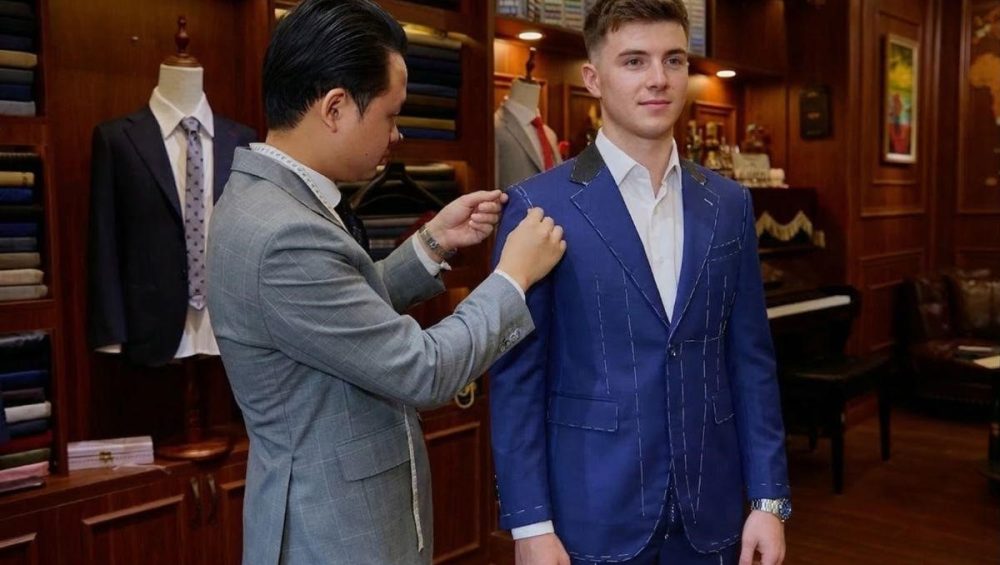
At first glance, Hanoi’s tailoring scene can feel overwhelming. Walk through the Old Quarter and you will pass dozens of shop fronts, each promising bespoke suits in 24 hours. For first-time visitors, telling the genuinely refined ateliers apart from quick tourist operations isn’t easy. What surprises many travelers, though, is how thoughtful some of Hanoi’s tailoring houses actually are once you step inside. This guide is built from observation and experience – a practical companion for those who’d rather choose well than choose quickly.
Why Hanoi Is Quietly Becoming a Bespoke Tailoring Destination
For years, Hoi An held the spotlight as Vietnam’s tailoring capital. Hanoi, by contrast, was treated as a city of food, heritage, and lakeside walks. That’s beginning to shift. On menswear forums, Reddit threads, and travel blogs, Hanoi has been gaining recognition for a different kind of tailoring experience – one that feels less rushed and more considered.
Part of this comes from how naturally tailoring fits into a Hanoi trip. Most visitors stay three to five days, which aligns well with a proper fitting cycle. Between coffee stops, gallery visits, and walks through the Old Quarter, fittings gradually become part of the travel routine rather than a separate errand. Tailoring stops feeling like shopping and starts feeling like a thread woven into the rhythm of the journey itself.
What stands out about Hanoi is the balance between accessibility and surprisingly thoughtful craftsmanship. Compared to bespoke houses in London, Milan, or Sydney, prices remain reasonable, yet many ateliers still dedicate real time to fit, drape, and shoulder line. Some workshops feel closer to quiet menswear studios than fast tourist shops – calm rooms, fabric bolts arranged with care, and tailors who pay attention to posture before reaching for the measuring tape.
The difference between tourist tailoring and a more refined bespoke experience usually becomes obvious during the consultation itself. A genuine atelier discusses silhouette refinement, jacket balance, fabric texture, and intended use. A tourist shop simply asks your size. That single difference often shapes whether the final garment looks generic or genuinely yours.
What Actually Separates a Good Hanoi Tailor From a Tourist Tailor
The gap between a thoughtful tailoring house and a high-volume tourist shop is wider than most travelers realize. Knowing what to look for protects both your time and your wardrobe.
Reviews and Reputation
Star ratings tell you very little. Detailed reviews tell you almost everything. Look for written accounts on Google, Tripadvisor, Reddit, and menswear blogs that mention specifics: how fittings were handled, how the tailor communicated revisions, whether alterations were honored after the first wear. Consistency across years matters more than a flurry of recent five-star ratings.
Communication and Consultation Quality
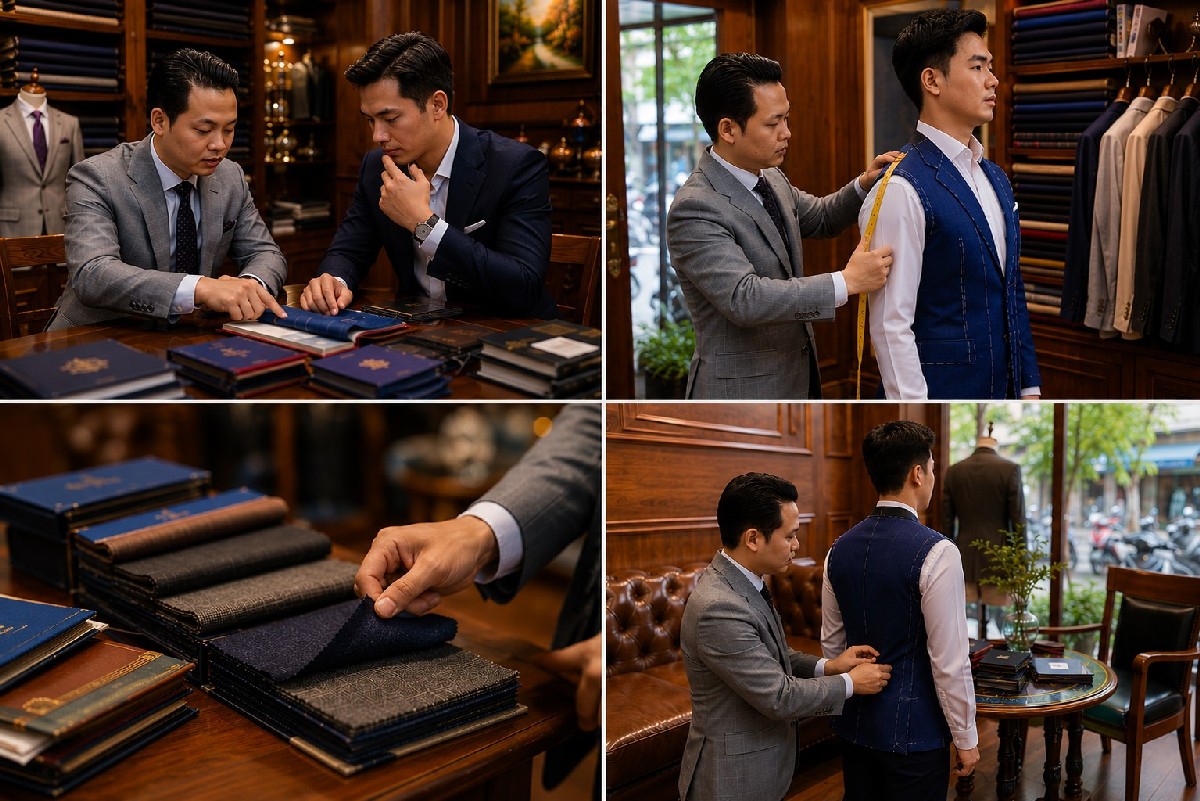
A reliable tailor asks questions before reaching for the tape. Expect a discussion of your lifestyle, the climate you will wear the suit in, the occasion, and your preferred fit – closer to the body, softer through the shoulder, room for movement. Clear English communication is also essential; if you can’t describe what you want, the result rarely matches the vision in your head. The consultation should feel collaborative rather than transactional.
Fabric Selection and Transparency
Honest fabric guidance is one of the clearest markers of a serious tailor. Vague claims like “Italian fabric” without a mill name, weight, or composition are a warning. A trustworthy atelier will explain the difference between a pure wool, a wool-blend, or a high-twist tropical wool, and will recommend based on how you will actually wear the suit – not on what’s easiest to upsell.
The Tailoring Process
A complete bespoke process generally includes:
- A consultation focused on fit preference and intended use
- Detailed measurements with attention to posture
- At least one fitting before final delivery
- Refinements after the fitting, not just hemming on the spot
Even express tailoring should include one fitting. If a shop promises a finished suit in 24 hours with no fitting, you’re not getting bespoke – you’re getting a pre-cut garment adjusted to your measurements.
Attention to Detail
This is where experienced eyes matter. Watch for whether the tailor checks shoulder balance, sleeve pitch, jacket suppression at the waist, and trouser break. Small choices around lining, button stance, and lapel width quietly shape the entire silhouette. Attention to posture and shoulder balance often reveals the difference between tourist tailoring and more refined bespoke work.
For first-time bespoke buyers, experienced guidance is especially valuable. A tailor who explains why a particular shoulder shape suits your frame, or why a half-canvas construction holds its form better than fused, is teaching you how to wear and judge tailoring for years to come.
Inside the Experience of a Well-Regarded Hanoi Tailor
What usually defines a reliable Hanoi tailor is rarely about marketing. It’s about the structure behind the experience: consistent long-form reviews from international clients, a fitting process that doesn’t feel rushed, transparent communication, and a balance between efficient turnaround and careful finishing.
Among Hanoi’s many tailoring houses, Cazo Tailor has earned a quiet reputation along these lines. Located in the Old Quarter at 23 Ly Quoc Su street – within walking distance of most major hotels and cafés – the atelier sits in a calm, polished showroom that feels closer to a menswear studio than a tourist-facing shop. Travelers often mention that the atmosphere is the first thing they notice: unhurried, organized, and free of the hard-sell that defines so many tailor streets nearby.
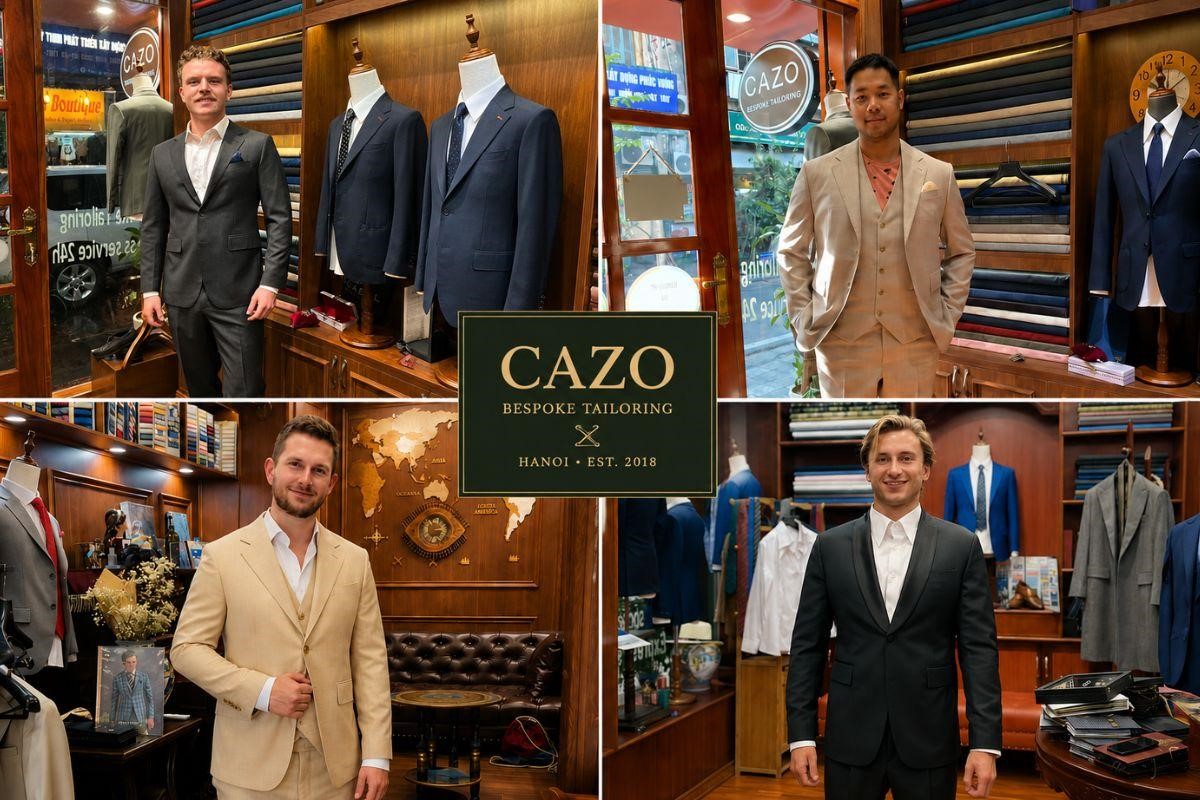
The consultation reflects that same tone. Rather than rushing directly into measurements, the conversation usually begins with fit preference, posture, and intended use – whether the suit will travel through humid climates, attend a wedding, or sit inside a boardroom. Fabric guidance is presented without pressure, and explanations are offered in clear English without burying the client in technical jargon. For first-time bespoke buyers, the process feels approachable rather than intimidating.
The fitting structure is where the methodical approach becomes visible. Attention is paid to shoulder balance, jacket drape, sleeve pitch, waist suppression, and trouser taper – small refinements that together define whether a tailored suit looks refined and elegant or simply sized to fit. What initially seems like a modestly sized tailoring house often reveals a surprisingly disciplined process behind the scenes, ensuring that every tailored suit is shaped to complement the wearer’s physique and personal style.
What many travelers appreciate at Cazo Tailor is the balance between relatively quick turnaround and a process that still feels personalized. Both standard and express services are offered, but even faster timelines include proper fittings. Efficiency here comes from workflow organization rather than cutting corners – a meaningful distinction, and one that becomes obvious by the second visit.
- Website: https://cazotailor.com/
- Facebook: https://www.facebook.com/profile.php?id=100084313726543
- Address: 23 Ly Quoc Su, Hoan Kiem, Hanoi
- Phone: 0967 226 825
- Working hours: 9 am – 9 pm
How to Get the Most Out of a Bespoke Suit Experience in Hanoi
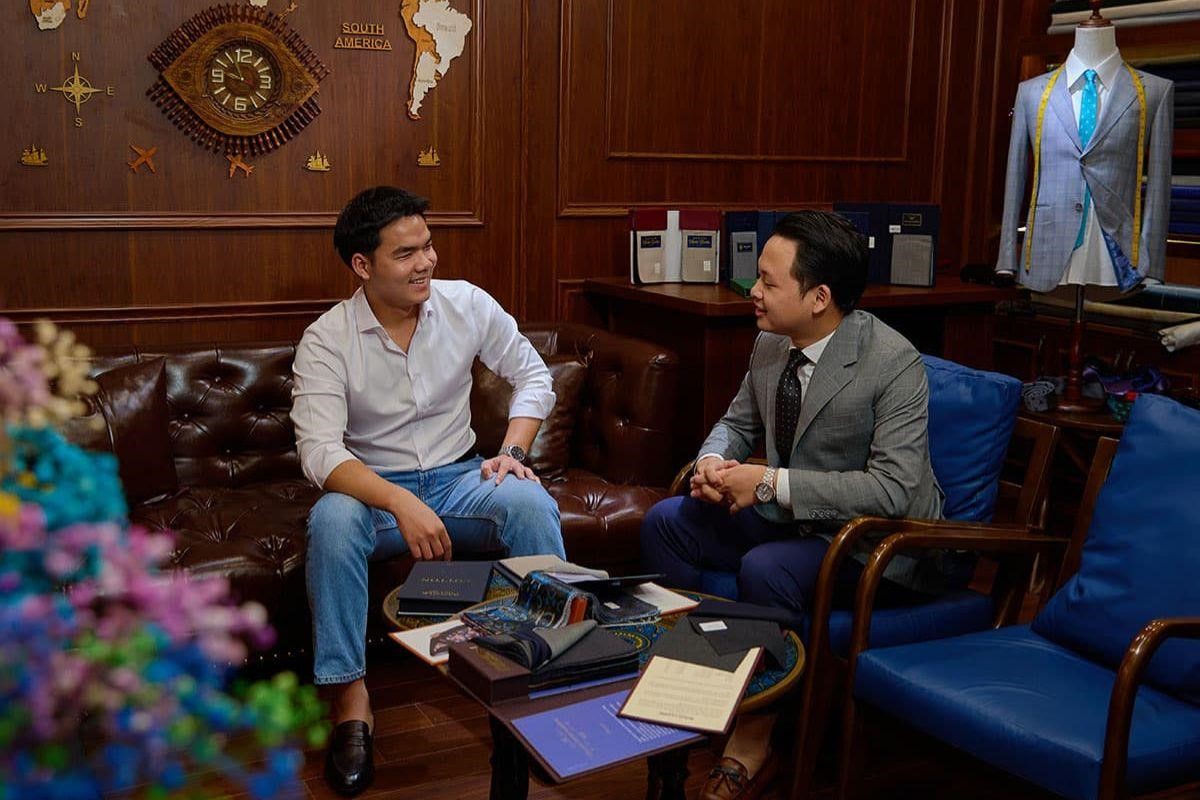
A bespoke suit isn’t simply ordered – it’s developed. The best results come from clients who treat the process as collaboration rather than transaction. A few habits make a measurable difference.
Bring inspiration photos: Words like “slim,” “classic,” or “modern” mean different things to different people. Two or three reference images – of silhouettes, lapel widths, or trouser cuts you admire – give your tailor a clearer starting point. This is especially helpful for first-time bespoke clients still developing their vocabulary for fit.
Allow enough time for fittings: Ultra-short timelines limit what any tailor can do. Even express tailoring benefits from a 48–72 hour window so that adjustments can be made between fittings rather than rushed at the final hour. If your itinerary allows three to five days, use them.
Be honest about how the suit will be worn: A wedding suit, a daily business suit, a smart-casual travel jacket, and a warm-climate ceremony suit all call for different fabrics, linings, and construction choices. Vague briefs lead to vague results.
Stay open to the tailor’s recommendations: Some of the best outcomes happen when clients allow room for professional judgment rather than insisting on replicating a photo exactly. Experienced tailors often refine proportions in ways first-time buyers may not immediately notice – a slightly higher button stance, a softer shoulder, a marginally cleaner trouser break. These quiet adjustments are often what separate a good suit from a memorable one.
Final Verdict: Is Bespoke Tailoring in Hanoi Actually Worth It?
For travelers willing to choose carefully, the answer is yes. Hanoi offers a rare combination: personalized craftsmanship, faster timelines than most Western bespoke markets, and a refinement that surprises many first-time visitors. The value lies not only in price but in the experience itself – conversations about fabric, fittings between coffee stops, and the slow shaping of a garment that will travel home with you.
The choice of tailor, however, shapes everything. Research matters. Consultation quality matters. Fittings matter. A rushed shop will leave you with a souvenir; a more thoughtful atelier, on the other hand, often leaves travelers with something that feels far more lasting than a simple purchase.
A well-made bespoke suit often ends up feeling less like a purchase and more like a lasting reminder of time spent in Hanoi’s Old Quarter – the quiet streets, the unhurried fittings, the small details that quietly transform how you look and feel in clothes. For many travelers, the experience becomes more memorable than the garment itself. And that, in the end, is what bespoke is supposed to do.