If you’re planning an overland trip through Vietnam, sooner or later you’ll face the same question every backpacker and independent traveler asks: should you take a Vietnam sleeper bus? With over 10,000 km of winding coastal and mountain roads connecting cities that trains and flights don’t reach, the sleeper bus has become the backbone of budget travel in the country. This guide covers everything you need to know in 2026 — real prices, the most reliable operators, what the ride actually feels like, and the safety details most articles gloss over.
What Is a Vietnam Sleeper Bus?
A Vietnamese sleeper bus (xe giường nằm) replaces standard upright seats with two or three rows of reclining bunk beds, usually stacked in two levels. Instead of sitting through an 8-hour journey, you lie down, put in earplugs, and wake up in a new city. Shoes come off at the door and go into a plastic bag — a small ritual every first-timer learns fast.
Buses typically come in two formats:
- Standard sleeper (open berth): A curtained bunk in a shared 34–44 berth coach. Budget-friendly, no privacy, but perfectly functional for short and medium routes.
- VIP cabin / limousine pod: A fully enclosed private pod with a privacy curtain or door, USB charging, reading light, and sometimes a massage function. Costs more but is worth it on long overnight legs.
How Much Does a Sleeper Bus Cost in Vietnam?
Prices scale with distance and comfort level. As a general rule for 2026:
| Journey Length | Standard Sleeper | VIP Cabin |
|---|---|---|
| Short (3–5 hours) | $7 – $12 | $15 – $20 |
| Medium (6–9 hours) | $12 – $20 | $20 – $28 |
| Long (10–15 hours) | $20 – $35 | $30 – $50 |
Two things worth knowing before you book: prices roughly double around Tet (Lunar New Year) and major national holidays, and tickets under $8 with no reviews online are a red flag rather than a bargain — that price point usually means an unlicensed operator with no accountability if something goes wrong.
Popular Sleeper Bus Routes in Vietnam
| Route | Duration | Recommended Operators |
|---|---|---|
| Hanoi → Sapa | 5.5–6.5 hrs | Sao Viet Bus, S-Trip Open Tour, HK Bus Lines |
| Hanoi → Ha Giang | 6–7 hrs | Inter Bus Lines, Ha Giang Express |
| Hanoi → Hue / Hoi An | 12–14 hrs | The Sinh Tourist, HK Bus Lines |
| HCMC → Da Lat | 6–7 hrs | Futa Bus Lines, Phuong Trang |
| HCMC → Mui Ne | 4–5 hrs | Futa Bus Lines, Hanh Cafe |
| HCMC → Nha Trang | 9–10 hrs | Futa Bus Lines, Phuong Trang |
| HCMC → Phu Quoc | 8–10 hrs (bus + ferry) | Phu Quoc Express |
The Most Trusted Sleeper Bus Operators
Vietnam has thousands of registered bus companies, and quality varies enormously. These names come up consistently across reviews and are considered safe bets for international travelers:
- Futa Bus Lines (Phuong Trang): The largest operator in the country, dominant on southern and central routes. Modern fleet, punctual, own bus stations rather than street pickups.
- The Sinh Tourist: The classic backpacker operator, running the Hanoi–Hue–Hoi An–Nha Trang–HCMC corridor with the traditional “open ticket” model. Watch out for imitator shops using a similar name in Hanoi’s Old Quarter.
- Sao Viet Bus: Currently the only operator on the Hanoi–Sapa route with an onboard toilet — a meaningful detail on a 6-hour overnight ride.
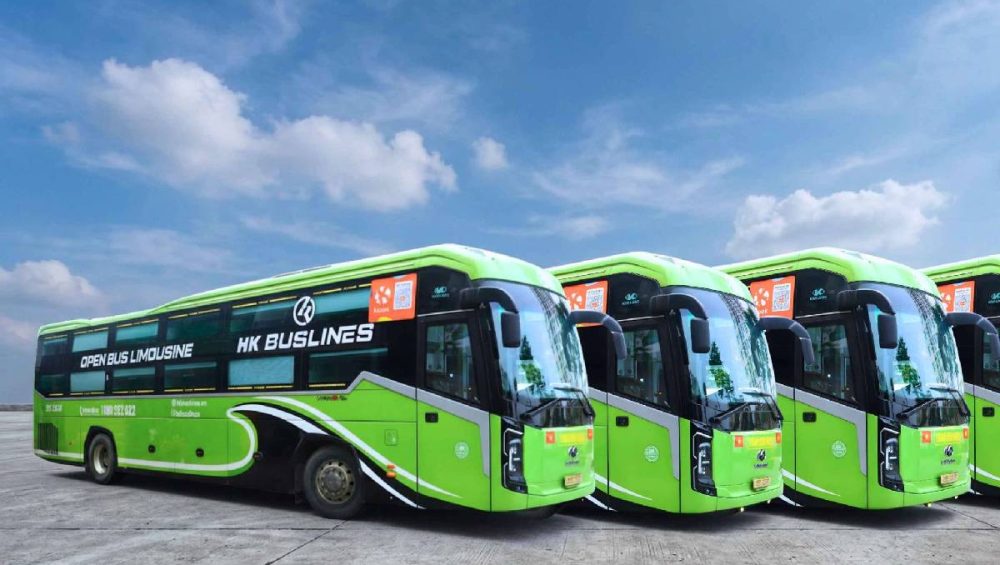
- HK Bus Lines: Reliable, modern fleet, strong reputation on northern routes.
- Ha Son Hai Van, HK Bus Lines, Sapa Express, Queen Cafe, Camel Travel, Hai Van: Established regional operators covering the Hanoi–Sapa, Hanoi–Ha Giang, and Hanoi–Hue/Hoi An corridors — see the individual route guides for a full comparison.
- Mai Linh Express, Thanh Buoi, Kumho Samco, Tra Lan Vien, Limousine Amazing: Major operators out of Ho Chi Minh City covering the Mekong Delta, Central Highlands, and south-central coast — again, check the specific route guide for current coverage.
Is Vietnam Sleeper Bus Safe?
This is the question most travelers actually want answered, so let’s be direct about it. Millions of sleeper bus trips are completed every year without incident, and the major operators listed above have solid safety records. That said, there are two realistic risks worth planning around:
- Driving style. Vietnamese highways — especially mountain routes in the north — involve overtaking and speeds that can feel unnerving to foreign passengers. This is normal driving culture on these roads, but if you witness genuinely reckless behavior, report it to the operator afterward.
- Petty theft. The bigger real-world risk isn’t the road, it’s your belongings. Phones, wallets, and cameras occasionally go missing from overhead racks or seat pockets during rest stops. Keep your passport, cash, and phone in a small bag on your body while you sleep — never in the overhead rack or in your checked luggage compartment.
Sticking to the established, reviewed operators above at the mid-tier price point is the single biggest thing you can do to reduce risk on both fronts.
What to Pack for a Sleeper Bus Ride
- Power bank — onboard USB ports are unreliable
- Earplugs and an eye mask — you can’t control your fellow passengers, but you can control your own sleep
- A light jacket or layer — air conditioning runs cold before it warms up from body heat
- Motion sickness medication — essential for mountain routes like Hanoi–Sapa or Hanoi–Ha Giang
- Toilet paper and hand sanitizer — rest stop bathrooms rarely stock either
- Snacks — rest stop food is basic; pack nuts, dried fruit, or crackers
- A small cable lock — optional, but a quick way to secure a daypack to the bed frame
Booking a Sleeper Bus: Your Options
Three practical ways to book:
- Online platforms (12Go, Vexere, Baolau) — English interfaces, international card payment, and the easiest option for first-time visitors.
- Direct through the operator’s website or office — works well for major names like Futa and HK Bus Lines.
- Through your hotel or a travel agent — convenient, but usually adds a small commission.
Sleeper Bus vs Train vs Flight
| Sleeper Bus | Train | Flight | |
|---|---|---|---|
| Price | $ (cheapest) | $$ | $$$ |
| Route coverage | Reaches almost everywhere | Fixed rail line only | Major cities only |
| Comfort | Moderate, variable by operator | High, more space to move | High, but shortest total experience |
| Best for | Budget travel, remote destinations (Sapa, Ha Giang, Mui Ne, Da Lat) | Scenic coastal routes (Hanoi–Hue–Da Nang) | Long distances (Hanoi–HCMC) or tight schedules |
Sleeper Bus Etiquette: What First-Timers Should Know
- Remove your shoes before boarding — this is non-negotiable, not a suggestion
- Middle, lower bunks offer the smoothest ride; upper bunks near the wheels amplify every bump
- Lights typically go off around 10 PM — treat it as quiet hours
- Rest stops last only 15–20 minutes — don’t wander far from the bus
- Tipping isn’t expected, but rounding up 20,000–50,000 VND for a helpful driver or attendant is appreciated
Frequently Asked Questions
Do Vietnam sleeper buses have toilets?
Most standard sleeper buses do not have an onboard toilet and rely on rest stops every 2–3 hours instead. A small number of premium operators, such as HK Bus lines on the Hanoi–Sapa route, now offer buses with an onboard toilet — worth seeking out if that’s a priority for you.
Can foreigners ride Vietnam sleeper buses without issues?
Yes. No special permits or ID beyond your passport are required, and major booking platforms and operators cater specifically to international travelers with English-language support.
How much should I pay for a sleeper bus in Vietnam?
Expect $7–$15 for short routes, $12–$20 for medium routes, and $20–$35 for long overnight journeys, with VIP cabins running $20–$50. Prices roughly double during Tet and major holidays.
Which sleeper bus company is best in Vietnam?
There’s no single “best” company — it depends on your route. Futa Bus Lines leads on southern and central routes, The Sinh Tourist covers the classic backpacker corridor, and Sao Viet Bus and HK Bus Lines are strong choices heading north out of Hanoi.
Is it safe for solo female travelers?
Yes, solo female travelers ride sleeper buses in Vietnam regularly without issue. The same precautions apply as anywhere: keep valuables on your body, choose a reputable operator, and consider a lower-middle bunk for easier access.
How tall can you be to fit comfortably?
Standard bunks comfortably fit travelers up to around 180 cm. Taller travelers should consider VIP cabin buses, which generally offer more legroom.
Ready to Plan Your Route?
A sleeper bus is one of the most efficient ways to see Vietnam without burning through your budget or your itinerary. Once you’ve chosen your route, the next step is making sure your travel documents are in order — check out our Vietnam travel tips for First time travelers before you book your first ticket.