A Vietnam sleeper bus can work well for families, but it takes more planning than a solo backpacker trip. Here’s how to decide when it makes sense and how to make an overnight ride manageable with children.
When a Sleeper Bus Makes Sense for Families
- Routes with no train or flight option — like Hanoi–Sapa or Ho Chi Minh city –Da Lat — where the bus is genuinely the most practical choice
- Shorter routes under 6 hours, where a full night’s disrupted sleep isn’t as much of a factor
- Kids old enough to sleep independently in a bunk rather than needing to be held
When to Consider Flying or the Train Instead
For longer legs — particularly anything over 10 hours, like Hanoi–Hue — a flight or the train’s soft-sleeper cabin is often worth the extra cost with young children. Trains offer more room to move around, and flights simply shorten the ordeal. See our full transport comparison for route-by-route guidance.
Choosing the Right Cabin
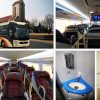
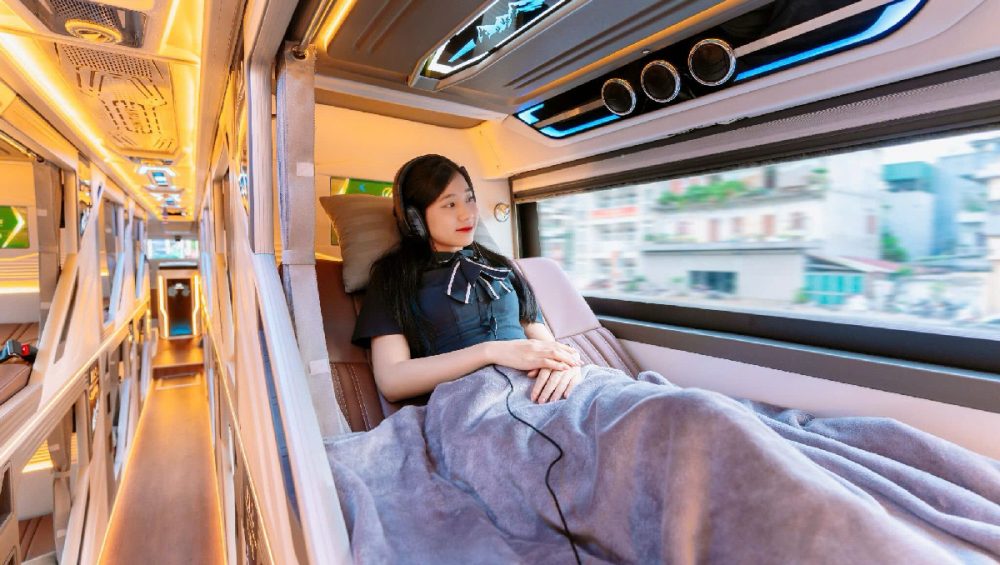
A VIP cabin — especially a double cabin shared between a parent and child — offers more privacy and space than a standard open-berth bunk. See our VIP cabin guide for the best options by route. Booking two adjacent bunks (rather than assuming the bus will seat family members together automatically) is worth confirming directly with the operator at booking.
Practical Tips for Traveling with Kids
- Book directly with an established operator rather than a last-minute street ticket, so you can confirm seating arrangements in advance
- Bring familiar snacks — rest stop food options are basic and may not appeal to younger travelers
- Pack entertainment that doesn’t rely on onboard wifi, which is unreliable across most operators
- Choose daytime departures where possible on shorter routes, so kids see the scenery rather than being confined overnight
- Motion sickness medication is worth having on hand for winding mountain routes like Sapa or Ha Giang
Toilet Access Matters More with Kids
Since most sleeper buses don’t have an onboard toilet, route choice matters more with children. Sao Viet Bus on the Hanoi–Sapa route is currently the only reliable onboard-toilet option, which can meaningfully reduce stress on that specific journey.
Frequently Asked Questions
Is a Vietnam sleeper bus safe for young children?
Generally yes on shorter, well-reviewed routes. For very young children or long overnight legs, a train or flight is often more comfortable.
Do sleeper buses have space for a child to sleep with a parent?
A double VIP cabin is the best option for this — confirm availability and seating arrangement directly with the operator when booking.
What age is appropriate for a sleeper bus?
There’s no strict rule, but most families find children old enough to sleep independently in a bunk have an easier time than toddlers who need to be held.
See the full Vietnam sleeper bus guide or compare with train and flight options for family-friendly routes.